


Table of Contents
Before turning your heat on for the first time each fall, a few basic checks can help ensure your equipment is ready to run. Clear the area around the furnace, check your smoke and carbon monoxide detectors, inspect the air filter, and review the thermostat settings before starting the heat.
It is also a good idea to test the equipment before the first cold night. Running the furnace or heat pump while you are home lets you notice unusual smells, noises, airflow changes, or other signs the equipment may need professional attention.
How to Prepare Before Turning the Heat On
These basic steps focus on areas homeowners can safely check without opening or disassembling the heating equipment.
- Clear the area around the furnace or heating equipment: Remove boxes, cleaning products, paint cans, and other stored belongings from around the unit. Keep combustible materials away from heating equipment, and make sure supply vents and return grilles aren’t blocked.
- Test smoke and carbon monoxide detectors: Test each detector per the manufacturer’s instructions, and replace batteries as needed. Carbon monoxide cannot be seen or smelled, so working detectors are an important part of home heating safety.
- Check the air filter: Inspect the HVAC filter and replace it if it is dirty or if the filter and equipment manufacturer’s recommendations say it’s due. Make sure the replacement is the correct size and compatible with the equipment.
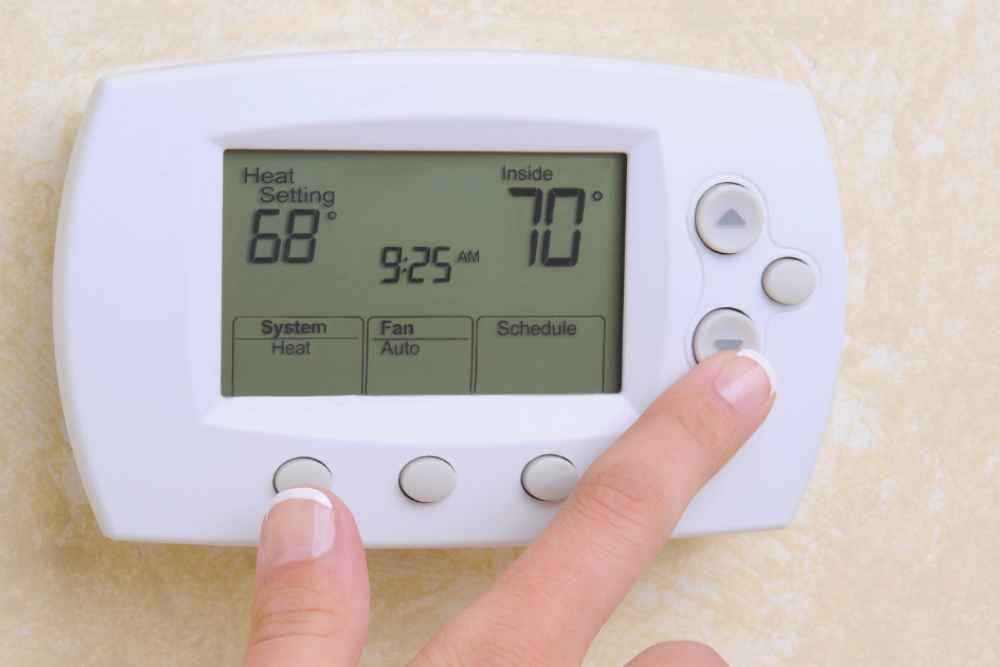
- Review the thermostat settings: Switch the thermostat from cooling to heating mode and set the temperature above the current indoor temperature when you are ready to test the heat. If the thermostat uses replaceable batteries, check those as well.
- Run the heat while you are home: Test the equipment before you urgently need it. Watch to see whether the heat starts normally, air moves through the vents, and you notice any new noises or odors.
What to Expect the First Time You Turn the Heat On
The startup process depends on the type of heating equipment in your home. A furnace follows a controlled sequence before the blower begins circulating heated air, while a heat pump operates differently, using the refrigeration cycle to transfer heat into the home.
You may notice some normal operational sounds as the equipment starts and the ductwork warms. A light dusty odor can also occur after the heating equipment has been unused for several months. Dust that settled on heating surfaces may create a temporary smell as the equipment warms.
That odor should lessen as the system continues to start up. If the smell gets stronger, persists, smells electrical or like melting material, or is accompanied by smoke, don’t treat it as normal.
Heat pump owners may also notice that the air from the vents does not feel as hot as air from a gas furnace. That does not necessarily mean the equipment is malfunctioning. If the home isn’t warming properly, however, have the heat pump evaluated rather than repeatedly adjusting the thermostat or switching to emergency heat.
Warning Signs to Watch For
Some problems during the first heating cycle mean you should stop using the equipment and have it checked.
- Suspected gas odor: If you smell a strong rotten-egg or gas-like odor, leave the affected area and follow your gas utility or local emergency guidance.
- Persistent burning or electrical smell: An odor that resembles hot wiring, melting plastic, or another electrical smell may indicate a problem that needs professional evaluation.
- Smoke or visible burning: Leave the home and contact emergency services if you see an active fire or smoke that suggests a fire.
- No heat or repeated shutdowns: If the equipment will not heat the home, repeatedly shuts down, or behaves differently than expected, a technician should inspect it.
- Loud or unusual noises: Grinding, repeated banging, buzzing, or other new noises can have several possible causes and should be evaluated.
If the equipment isn’t operating normally, heating repair can help identify the cause before you keep using it.
When to Schedule Professional Heating Maintenance
Homeowner checks can help you spot obvious issues, but they cannot evaluate everything happening inside a furnace or heat pump. Professional heating maintenance lets a technician inspect key components, check controls and safety devices, evaluate airflow, and identify developing concerns.
Scheduling maintenance before colder weather also gives you time to address recommended repairs before you need your heating equipment more often.
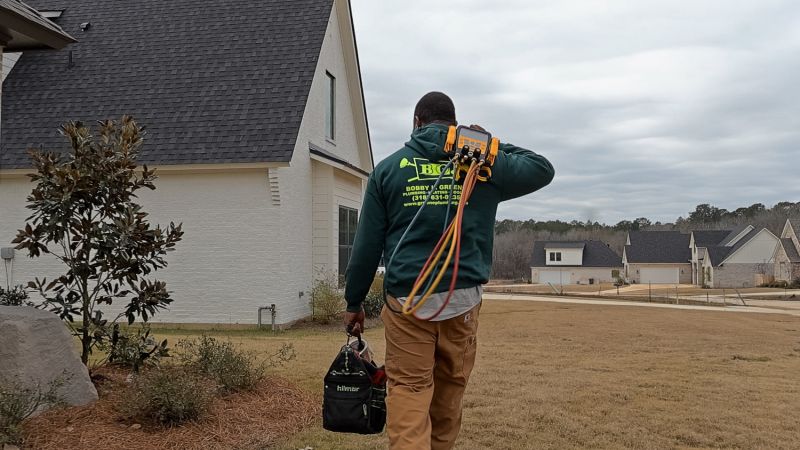
Bobby L. Greene Plumbing, Heating & Cooling has served homeowners throughout the Shreveport-Bossier City area since 1959 and provides heating maintenance and repair for furnaces and heat pumps.
Get Your Heating Equipment Ready for the Season
Testing your heat before the first cold night confirms your equipment starts, heats the home, and operates normally before you depend on it.
If your furnace or heat pump won’t start properly, makes an unusual odor or noise, or hasn’t been checked recently, schedule heating maintenance with Bobby L. Greene Plumbing, Heating & Cooling.

Written By Bobby L. Greene
For all your plumbing and HVAC needs in Shreveport and surrounding areas, there is only one name you need to remember: Bobby L. Greene Plumbing, Heating And Cooling We are big enough to handle any size or scope of plumbing, heating, or air conditioning job you require while maintaining the personable customer service you can expect from a local, family-owned company.
Recent Resource Articles




Become Family!
Why You Should
Join the Family Plan
-
 Prevent HVAC failures during summer and winter.
-
Equipment lasts 30% longer
-
Priority front-of-the-line service
-
Protects equipment
-
10% Discount on repairs
-
Save an average of 15% on utilities!