


Table of Contents
A burning smell from your furnace can be normal when you first turn on the heat after months of inactivity. Dust that has collected on heating components may produce a temporary odor as the equipment warms up. However, a smell that persists, resembles burning plastic or wiring, or comes with smoke may indicate overheating or damaged components. A rotten-egg odor is another serious warning sign that could indicate a gas leak. Knowing the difference can help you recognize when your furnace needs professional attention.
Why Furnaces Smell Like Burning Dust in the Fall
In Shreveport-Bossier City, most furnaces sit unused for months while the air conditioner handles Louisiana’s warm weather. During that time, dust can accumulate on heating components. When the first cold front arrives and you turn on the furnace, that dust heats up and may produce a noticeable burning smell through the vents.
A light, dusty odor during the first heating cycles is common and should gradually fade as the furnace runs. Replacing a dirty air filter and keeping the area around the equipment clear are good steps to take when turning your heat on for the first time. If the smell gets stronger, persists, or smells like burning plastic or wiring, turn off the furnace and schedule an inspection.
When a Burning Smell Means Something Is Wrong
Not every burning smell comes from dust. Different odors can point to problems with the furnace’s electrical components, blower motor, combustion system, or ventilation. Noticing when the smell starts and whether other symptoms appear can help you recognize when professional service is needed.
The Burning Smell Doesn’t Go Away
A dusty smell should fade as the furnace completes its initial heating cycles. If the odor continues or returns every time the heat runs, the equipment may have excessive dust buildup, a clogged air filter, or another operational issue.
Restricted airflow can also contribute to overheating. If you’ve replaced the filter and the odor continues, turn off the furnace and have a technician inspect the equipment before using it again.
Burning Plastic or Rubber
A sharp plastic or rubber smell may indicate overheating electrical insulation, a damaged component, or an object that’s too close to the furnace.
Furnaces installed in closets, attics, or utility rooms can also become surrounded by stored belongings. Never store boxes, cleaning supplies, or other combustible materials against the furnace or its venting.
If you notice a strong plastic or rubber odor, turn off the heating system if it’s safe to do so and arrange a professional inspection.
Electrical or Metallic Odors
A sharp electrical smell, sometimes described as hot wiring, melting insulation, or a fishy odor, can indicate overheating electrical components.
Damaged wiring, a failing blower motor, or other electrical problems may produce these odors before the furnace stops working. Because overheating components can create a fire hazard, turn off the furnace if it’s safe to do so and leave it off until a technician identifies the cause.
Smoke, Soot, or Symptoms of Carbon Monoxide Exposure
Visible smoke, soot, or scorch marks around the furnace can indicate serious combustion or overheating problems. Carbon monoxide is another concern because it has no smell. A malfunctioning gas furnace or blocked vent can allow this dangerous gas to accumulate indoors.
If a carbon monoxide alarm sounds or anyone experiences headaches, dizziness, or nausea and exposure is suspected, leave immediately and call 911. A rotten-egg smell may indicate a gas leak. Evacuate without operating electrical switches or anything that could create a spark, and contact your gas utility or emergency services from outside.
What to Do When You Smell Burning
The right response depends on the type of odor and whether you notice other warning signs. A faint dusty smell during the first heating cycle differs from a strong electrical odor, visible smoke, or a suspected gas leak.
If you notice a burning smell from your furnace:
- Identify whether the smell is temporary: A light dusty odor may occur when the furnace first runs after months of inactivity. It should fade rather than become stronger or continue returning.
- Check the air filter when it’s safe: A clogged filter can restrict airflow and contribute to overheating. If the odor is mild and there are no signs of a serious problem, inspect the filter and replace it according to the manufacturer’s recommendations.
- Turn off the furnace for persistent odors: If the smell continues, becomes stronger, or resembles burning plastic or wiring, shut off the equipment if it’s safe to do so and schedule an inspection.
- Leave immediately if you suspect gas, fire, or carbon monoxide: Evacuate if you smell gas, see smoke indicating a fire, hear a carbon monoxide alarm, or suspect carbon monoxide exposure. Call emergency services or your gas utility from outside. Do not operate electrical switches if you suspect a gas leak.
- Check your carbon monoxide detectors: The CDC recommends installing battery-operated or battery-backup carbon monoxide detectors near sleeping areas and checking their batteries regularly.
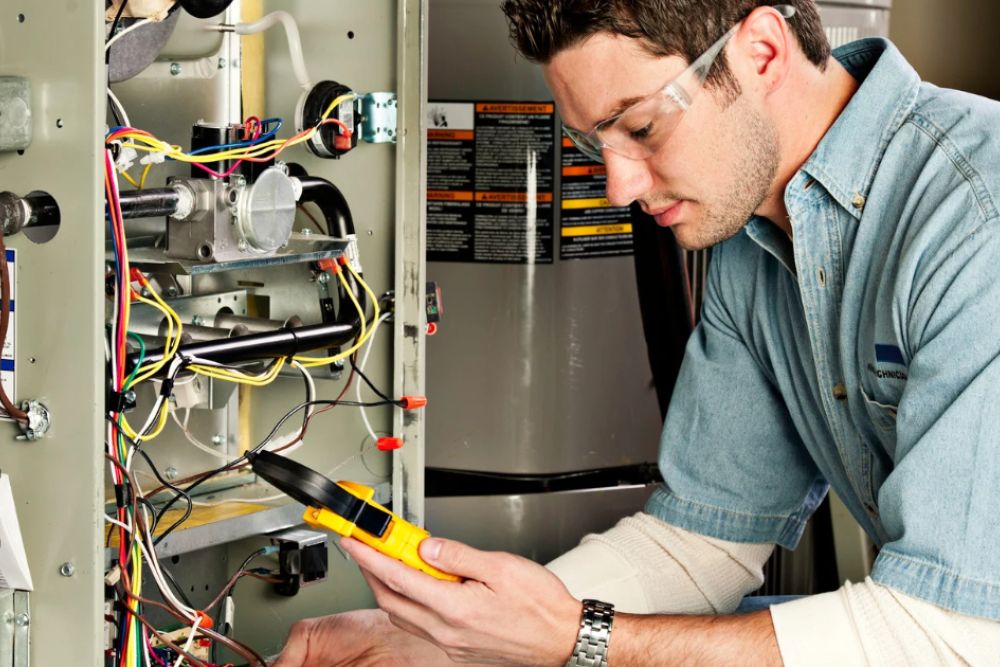
Avoid opening furnace panels or attempting electrical repairs yourself. A qualified technician can inspect the equipment, identify the source of the odor, and recommend the appropriate repair.
How Yearly Maintenance Helps Prevent Furnace Burning Smells
Dust buildup, worn components, and electrical problems can develop between heating seasons. Annual furnace maintenance includes inspecting burners, ignition components, wiring, airflow, and venting. Knowing how often a furnace needs to be serviced can help homeowners stay on top of routine care, even during Louisiana’s mild winters.
During a tune-up, technicians clean applicable components, check safety controls, and test furnace operation. If they discover damaged wiring, a failing blower motor, or another faulty component, professional heating repair can address the problem before you use the furnace again.
Get Your Furnace Checked Before It Gets Colder
A persistent or changing burning smell can indicate a problem that needs attention. Bobby L. Greene Plumbing, Heating & Cooling has served Shreveport-Bossier City homeowners since 1959, providing heating inspections, maintenance, and repairs to help keep homes comfortable and safe.
If your furnace produces unusual odors or hasn’t been serviced recently, our technicians can inspect the equipment and recommend the next steps. Schedule a furnace inspection in Shreveport-Bossier City, LA, with our team today.
Frequently Asked Questions
A faint dusty smell during the first heating cycles of the season can be normal, particularly if the furnace has been unused for several months. However, the odor should gradually fade. If you notice burning plastic, electrical odors, persistent smells, or smoke, turn off the furnace if it’s safe to do so and arrange an inspection. If you suspect a gas leak, leave immediately and contact your gas utility from outside.
A newly installed furnace may produce a temporary odor as manufacturing residues or protective coatings heat up during initial operation. The smell should diminish during the first few heating cycles. Follow the installer’s guidance for your equipment, and contact them if the odor persists, becomes stronger, or resembles burning plastic or electrical wiring.
Furnace fires can result from overheating electrical components, damaged wiring, combustible materials stored too close to the equipment, or other mechanical and electrical failures. Keeping the area around your furnace clear and scheduling regular maintenance can help reduce these risks. If you notice smoke, sparks, or signs of an active fire, evacuate and call 911.

Written By Bobby L. Greene
For all your plumbing and HVAC needs in Shreveport and surrounding areas, there is only one name you need to remember: Bobby L. Greene Plumbing, Heating And Cooling We are big enough to handle any size or scope of plumbing, heating, or air conditioning job you require while maintaining the personable customer service you can expect from a local, family-owned company.
Recent Resource Articles




Become Family!
Why You Should
Join the Family Plan
-
 Prevent HVAC failures during summer and winter.
-
Equipment lasts 30% longer
-
Priority front-of-the-line service
-
Protects equipment
-
10% Discount on repairs
-
Save an average of 15% on utilities!